
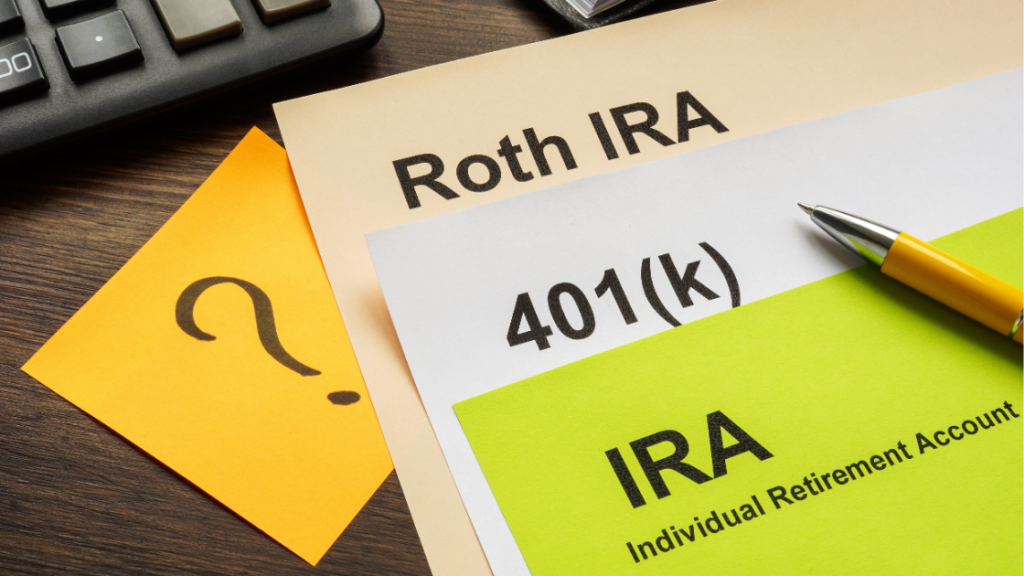
The Hidden Reason Investors Lose 3%–5% Every Year
There’s a common assumption that sounds logical…
“If I have more control, I’ll get better results.”
Fair assumption.
Also… not always true.
Because when you look at the data, something interesting shows up.
More control doesn’t automatically translate into better performance.
What the Data Actually Shows
According to studies from DALBAR, the average investor consistently underperforms the investments they choose.
Not by a little either.
Roughly 3% to 5% per year in lost returns.
Not because the investments were bad…
but because of decision-making.
Timing.
Emotions.
Lack of strategy.
Now layer that into a self-directed account…
Where you have more decisions to make.
Why This Matters in Self-Direction
Self-directed IRAs open the door to alternative assets like:
- Real estate
- Private lending
- Private equity
And historically, some of these asset classes have performed very well.
For example, data from National Council of Real Estate Investment Fiduciaries shows institutional real estate has produced long-term returns in the 8%–12% range depending on the cycle.
That’s competitive with equities… often with different risk drivers.
But here’s the key:
Those returns weren’t created by access.
They were created by execution and operator performance.
Where Most Investors Miss
They assume the advantage is:
“Now I can invest in better things.”
But the real shift is:
“Now I’m responsible for choosing correctly.”
And without a framework, more options can actually reduce performance.
This is backed by research from Vanguard showing that structured guidance and disciplined allocation can improve investor outcomes by up to 3% annually.
Not by picking better assets…
But by making better decisions.
A More Effective Way to Use This Strategy
Instead of chasing opportunities, anchor your decisions in a few principles:
1. Define the role of the investment
Income? Growth? Stability? Each serves a different purpose.
2. Evaluate the operator, not just the asset
In alternative investments, execution drives returns.
3. Maintain balance across your portfolio
The goal isn’t to replace everything… it’s to complement what you already have.
Putting It All Together
Self-direction can absolutely improve a portfolio.
But only when paired with:
- Clear decision criteria
- Disciplined allocation
- Strong operators behind the investments
Otherwise, it just becomes a larger menu…
with the same outcomes.
The Real Takeaway
The advantage isn’t access.
It’s alignment and execution.
Because the difference between an 8% outcome and a 12% outcome…
Is rarely the asset itself.
It’s the decisions surrounding it.
As you finalize your IRA contribution, don’t just think about where it can go.
Think about what it’s supposed to do inside your portfolio.
That’s where the real opportunity is.
The Real Cost of Staying Small
Most people assume small investments simply produce smaller returns. The...
Read MoreSmall Rental Properties vs. Large Real Estate Investments: The Math That Changed My Mind
Many investors assume more properties mean more wealth. But when...
Read MoreThe Productivity Problem Nobody Wants to Talk About
Productivity growth has slowed, employee engagement is declining, and inefficiencies...
Read MoreThe Employees Every Business Owner Dreams of Finding
Some employees do more than complete tasks—they take ownership, solve...
Read MoreHow Delivery Apps Are Squeezing Local Restaurant Profit Margins

Food delivery apps promised restaurants more customers and more sales....
Read MoreThe 30% Fee That’s Quietly Killing Your Favorite Local Restaurants

Most people don't realize how much of their delivery order...
Read MoreThe Real Reason Some Businesses Survive While Others Disappear

The companies that last aren't necessarily the smartest or the...
Read MoreThe Reality of Small Business Ownership That Most People Never See

Every thriving small business exists because someone was willing to...
Read MoreHow Real Estate Development Creates Jobs, Growth, and Stronger Communities

A new building is more than concrete and steel. It...
Read More