
Most people assume small investments simply produce smaller returns. The...
Read More
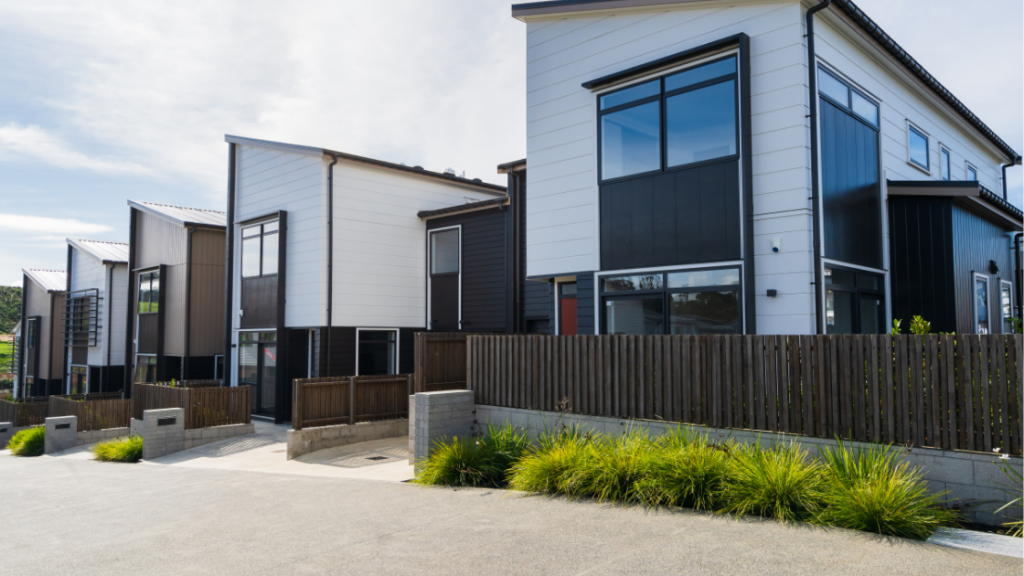
How Real Estate Syndications Work (and Why We Built the StoneCrest Prosperity Fund)
Remember building forts as a kid? Someone brought the blankets, another found the chairs, and the bossiest kid (usually me) decided where the “door” went. That, my friends, was an early lesson in syndication; pooling resources, defining roles, and creating something bigger than any of us could on our own.
Real estate syndications work the same way. At their core, they’re a team sport: investors pool their capital, experienced operators bring the deal, and together everyone shares in the profits. But unlike those childhood forts, the structure here is intentional, legally binding, and, thankfully, designed to keep out more than just your little brother.
Let’s break down how a syndication is structured, who plays which role, and what you should look for before investing.
1. The “Why” Behind SPF
Most investors are told that diversification means owning a mix of stocks and bonds. But after 2022’s market roller coaster, and with the S&P 500 now top-heavy with just a handful of companies, it’s clear that Wall Street diversification isn’t what it used to be.
That’s where SPF comes in. Our fund gives investors access to Main Street projects; income-producing properties, industrial and multifamily developments, without the headaches of being a landlord. All located here in the Tri-Cities. Read HERE on why that is a good thing.
Instead of buying one property on your own, you become part of a professionally managed portfolio of real estate assets. Your investment works quietly behind the scenes, creating value through development, cash flow, and appreciation.
2. The Deal Flow: Where the Opportunities Come From
Our process starts with what we do best: building. Through StoneCrest Builders, we’ve spent over 30 years developing projects across the Pacific Northwest. That vertical integration means we control every stage: from identifying the land and securing entitlements to construction, leasing, and management.
Each potential project goes through a rigorous vetting process before it’s considered for the fund:
Market fundamentals – population growth, job creation, and rent demand
Feasibility analysis – projected costs, timelines, and expected yields
Risk evaluation – construction costs, exit strategy, and tenant stability
Only when a project meets our financial, operational, and market criteria does it become part of the SPF portfolio.
3. Pooling Investor Capital
Once approved, projects are funded through a combination of investor equity and bank financing.
Here’s how that works in plain English:
Investors (that’s you) contribute capital to the fund.
StoneCrest invests that capital into multiple real estate projects.
Banks provide leverage to amplify returns.
StoneCrest Builders and Sage Property Management handle development and day-to-day operations.
Because it’s a 506(b) Reg D fund, investors can participate even if they’re not accredited—This structure also means your capital is diversified across several assets rather than tied to just one property.
That’s a key difference between SPF and most single-deal syndications.
4. How Returns Are Generated
Returns in SPF come from two main sources: cash flow and appreciation.
1️⃣ Cash Flow (Preferred Return) – Investors receive a preferred return—typically around 8%—before StoneCrest participates in any profits. This ensures alignment: you get paid first.
2️⃣ Appreciation (Equity Upside) – As projects are built, leased, and stabilized, their value increases. Since we build our investments, we often (if not always) can build it for less than market value. This means instant equity and with time this profit potential grows, as rents increase and assets appreciate. Once a property is refinanced or sold, profits are distributed to investors according to the fund’s equity split (70/30: 70% to investors, 30% to StoneCrest).
That two-pronged approach, steady income plus long-term growth, creates the compounding effect that builds real wealth over time. Our projects are projected to return 2X your investment in 5 years, or they are not allowed into the fund.
5. Investor Transparency & Control
Investing in SPF doesn’t mean handing over your money and hoping for the best. We keep our investors informed every step of the way.
You’ll receive:
Quarterly reports showing project updates, occupancy, and financial performance
Annual financial statements prepared by our CPA
Investor portal access to review documents and track distributions
We believe confidence comes from clarity. Our goal is to give you the information you need to understand how your capital is working for you—without overwhelming you with data.
6. Exit Strategy and Liquidity
SPF is designed for long-term investors, typically with a 5-year horizon, but life happens, and we understand that.
Our fund includes structured exit opportunities:
Investors can request redemption after a defined holding period.
Returns are distributed as projects reach milestones (e.g., refinance or sale).
By recycling capital from completed projects into new developments, the fund stays active and continues to grow, creating an ongoing pipeline of opportunities.
7. Why Vertical Integration Matters
Most investment firms rely on third parties for construction, leasing, and management. That adds layers of cost and risk.
StoneCrest’s structure is different:
StoneCrest Builders handles design and construction
Sage Property Management oversees leasing and maintenance
StoneCrest Equity Partners manages the investment strategy
Because we control the full cycle, we protect margins, move faster, and keep accountability under one roof. That’s how we minimize risk and maximize return—both for you and for us.
Final Thought: The Recipe for Real Wealth
When people first hear about SPF, they often say, “It sounds too simple, how can that work?”
And that’s the point. It’s simple for you because the complexity is on our side. Behind every investor distribution is a full team handling zoning meetings, contractor bids, financing calls, and tenant leases.
You’re not buying property, you’re buying expertise.
You’re not just earning returns, you’re compounding stability.
And you’re not giving up control, you’re gaining clarity.
That’s how SPF works, and why so many professionals are choosing to let Main Street build their wealth while Wall Street wobbles.
Want to learn more about upcoming projects in the SPF portfolio?
Small Rental Properties vs. Large Real Estate Investments: The Math That Changed My Mind
Many investors assume more properties mean more wealth. But when...
Read MoreThe Productivity Problem Nobody Wants to Talk About
Productivity growth has slowed, employee engagement is declining, and inefficiencies...
Read MoreThe Employees Every Business Owner Dreams of Finding
Some employees do more than complete tasks—they take ownership, solve...
Read MoreHow Delivery Apps Are Squeezing Local Restaurant Profit Margins

Food delivery apps promised restaurants more customers and more sales....
Read MoreThe 30% Fee That’s Quietly Killing Your Favorite Local Restaurants

Most people don't realize how much of their delivery order...
Read MoreThe Real Reason Some Businesses Survive While Others Disappear

The companies that last aren't necessarily the smartest or the...
Read MoreThe Reality of Small Business Ownership That Most People Never See

Every thriving small business exists because someone was willing to...
Read MoreHow Real Estate Development Creates Jobs, Growth, and Stronger Communities

A new building is more than concrete and steel. It...
Read MoreWhen the People Who Create Jobs Can’t Get a Call Back

Entrepreneurs, builders, and investors drive economic growth, create jobs, and...
Read More